The Sacred Symbols of Reiki
Evelynn Road

Reiki, a Japanese energy healing modality, is renowned for its use of sacred symbols to amplify the flow of healing energy and facilitate specific healing intentions. These symbols, imbued with ancient wisdom and spiritual significance, serve as potent tools for Reiki practitioners to deepen their practice and enhance the effectiveness of their healing work. Let's explore the meanings, significance, and applications of the main Reiki symbols:
Cho Ku Rei (Power Symbol)
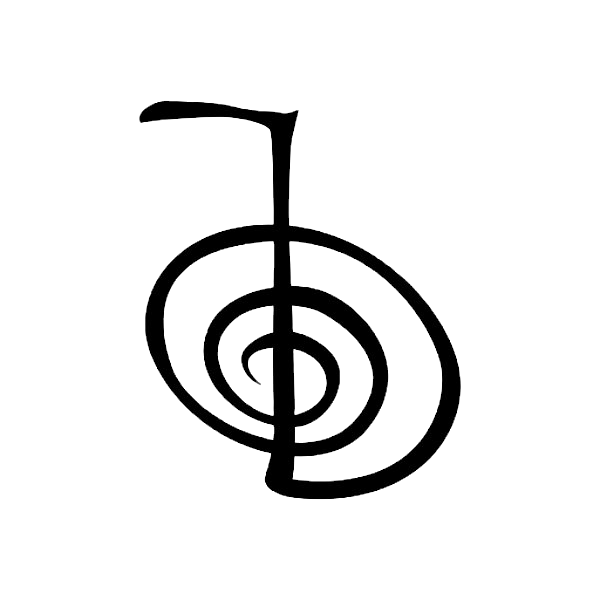
The Cho Ku Rei symbol, often referred to as the "power symbol," is a foundational symbol in Reiki practice. Its name translates to "placing all the powers of the universe here," symbolizing the convergence of divine energy for healing purposes. The symbol is depicted as a spiral or coil intersected by a vertical line, representing the infusion of universal life force energy into the physical realm. Cho Ku Rei is used to increase the power of Reiki energy, enhance healing, and protect the practitioner and recipient. Its versatility allows practitioners to apply it to specific areas of the body, objects, or intentions to amplify their energetic effects.
The Cho Ku Rei symbol is a versatile tool in Reiki practice. Here are some practical examples of how Cho Ku Rei can be applied:
Increasing Energy Flow: During a Reiki session, practitioners may visualize or draw the Cho Ku Rei symbol to invoke its power and increase the flow of Reiki energy to specific areas of the body. Placing the symbol over areas of pain or discomfort can help alleviate symptoms and promote healing.
Enhancing Protection: Cho Ku Rei can be used to create an energetic shield around the practitioner and recipient, providing protection from negative energies or disturbances during healing sessions. Practitioners may visualize the symbol surrounding themselves and their clients with a bubble of light or draw it in the air with their hands.
Charging Objects: The Cho Ku Rei symbol can be used to charge or activate objects with Reiki energy for healing purposes. Practitioners may draw the symbol over crystals, water, or other items used in energy healing to infuse them with healing vibrations and enhance their therapeutic properties.
Sei He Ki (Emotional/Mental Symbol)
The Sei He Ki symbol, also known as the "harmony symbol," is associated with emotional and mental healing in Reiki practice. Its name translates to "God and humanity becoming one," reflecting its role in promoting harmony and balance within the individual's energy field. The symbol consists of three kanji characters interconnected by lines or curves, representing the integration of mind, body, and spirit. Sei He Ki is used to address emotional imbalances, mental stress, and psychological issues by facilitating healing and releasing negative emotions or thought patterns. It promotes inner harmony, emotional resilience, and mental clarity, allowing individuals to experience greater peace and well-being.
The Sei He Ki symbol is particularly effective for addressing emotional and mental imbalances. Here are practical examples of how Sei He Ki can be utilized:
Releasing Emotional Blockages: During a Reiki session, practitioners may focus on drawing or visualizing the Sei He Ki symbol to help release trapped emotions or negative thought patterns held within the recipient's energy field. By channeling Sei He Ki energy, practitioners can support emotional healing and promote a sense of inner peace and balance.
Balancing Chakras: Sei He Ki can be used to balance and harmonize the chakras, the energy centres of the body. Practitioners may visualize or draw the symbol over each chakra, allowing the healing energy to flow and remove any blockages or distortions that may be affecting emotional or mental well-being.
Clearing Mental Clutter: The Sei He Ki symbol can help clear mental clutter and promote mental clarity and focus. Practitioners may use the symbol during meditation or self-healing practices to quiet the mind, release stress and anxiety, and create a sense of inner calm and tranquillity.
Hon Sha Ze Sho Nen (Distance/Time Symbol): The Hon Sha Ze Sho Nen symbol, also known as the "distance symbol" or "connection symbol," is used in Reiki practice to facilitate distant healing and transcend time and space. Its name translates to "no past, no present, no future," emphasizing its ability to bridge the gap between individuals, situations, or events across distances. The symbol features kanji characters arranged in a specific configuration, symbolizing the interconnectedness of all things across time and space. Hon Sha Ze Sho Nen allows practitioners to send Reiki energy remotely to individuals, situations, or events, facilitating healing, resolving conflicts, and promoting harmony across time and space.
The Hon Sha Ze Sho Nen symbol is invaluable for facilitating distant healing and transcending the limitations of time and space. Here are practical examples of how Hon Sha Ze Sho Nen can be applied:
Sending Distant Healing: Practitioners may use Hon Sha Ze Sho Nen to send Reiki energy to individuals, situations, or events across distances. By focusing on the recipient's name, photo, or intention, practitioners can channel healing energy remotely, promoting healing, resolution, and harmony wherever it is needed.
Healing Past Traumas: Hon Sha Ze Sho Nen can be used to heal past traumas and unresolved issues from the past. Practitioners may visualize or draw the symbol while intending to send healing energy to specific events or experiences in the recipient's past, promoting healing, forgiveness, and release.
Connecting with Future Events: The Hon Sha Ze Sho Nen symbol can also be used to connect with future events or intentions. Practitioners may visualize or draw the symbol while setting intentions for future goals, outcomes, or events, allowing Reiki energy to support manifestation and alignment with one's highest good.
Dai Ko Myo (Master Symbol)
The Dai Ko Myo symbol, often referred to as the "master symbol," is associated with spiritual enlightenment, empowerment, and mastery in Reiki practice. Its name translates to "great shining light," symbolizing the awakening of the inner healer or master within. The symbol is composed of kanji characters representing light, harmony, and universal consciousness, arranged in a distinctive pattern. Dai Ko Myo is used to access higher levels of consciousness, deepen spiritual awareness, and awaken the inner wisdom and healing potential. It is often employed in attunement processes to initiate students into higher levels of Reiki practice and teaching, empowering them to serve as conduits of divine healing energy.
The Dai Ko Myo symbol holds the essence of spiritual enlightenment, empowerment, and mastery in Reiki practice. Here are practical examples of how Dai Ko Myo can be utilized:
Initiating Healing Attunements: Dai Ko Myo is often used in healing attunements to initiate students into higher levels of Reiki practice and teaching. Practitioners may visualize or draw the symbol while intending to activate the recipient's healing abilities, deepen their connection to Reiki energy, and align them with their highest potential.
Deepening Spiritual Awareness: Dai Ko Myo can be used to deepen spiritual awareness and awaken the inner healer or master within. Practitioners may meditate on the symbol, allowing its light to illuminate their consciousness and expand their understanding of universal truths, higher wisdom, and divine love.
Promoting Self-Healing: Dai Ko Myo can support practitioners in their own healing journey by promoting self-awareness, self-compassion, and self-empowerment. Practitioners may use the symbol during self-healing sessions to access higher levels of consciousness, release limiting beliefs, and cultivate a deeper connection to their inner wisdom and intuition.
Raku (Grounding Symbol, Western Reiki)
In Western Reiki traditions, the Raku symbol is sometimes used for grounding and integration after a Reiki session or attunement. While its origin differs from traditional Japanese Reiki symbols, Raku serves a vital role in helping recipients return to a state of groundedness and presence after receiving Reiki energy. The symbol is visualized as a horizontal line with hooks or branches extending downward, anchoring the recipient's energy and promoting balance, stability, and integration. Raku assists in integrating the healing effects of Reiki energy into the recipient's energy field, facilitating a smooth transition back to everyday life.
The Raku symbol, although not traditionally part of Japanese Reiki, is sometimes used in Western Reiki traditions for grounding and integration. Here are practical examples of how Raku can be applied:
Grounding After a Healing Session: Practitioners may use the Raku symbol to ground themselves and their clients after a Reiki session or attunement. By visualizing or drawing the symbol, practitioners can help recipients return to a state of groundedness and presence, integrating the healing effects of Reiki energy into their energy field.
Energetic Protection: Raku can be used to create an energetic shield around the practitioner and recipient, providing protection from negative energies or disturbances. Practitioners may visualize or draw the symbol to establish a barrier of light, ensuring a safe and nurturing healing environment.
Promoting Balance and Stability: Raku assists in promoting balance, stability, and integration within the individual's energy field. Practitioners may use the symbol to anchor the recipient's energy, allowing them to feel centered, grounded, and connected to the present moment.
The Reiki symbols hold profound significance and serve as powerful conduits for healing, transformation, and spiritual growth. Each symbol carries its own unique vibration and purpose, allowing practitioners to work with Reiki energy in a focused and intentional manner to address specific healing needs and goals. While the symbols are sacred and revered in Reiki practice, it's important to remember that the true power of Reiki lies not in the symbols themselves, but in the intention, intuition, and connection to universal life force energy. By understanding the meanings, significance, and practical applications of each symbol, practitioners can harness the full potential of Reiki energy to support healing, transformation, and spiritual growth for themselves and others.
View the symbols in the image gallery below.